
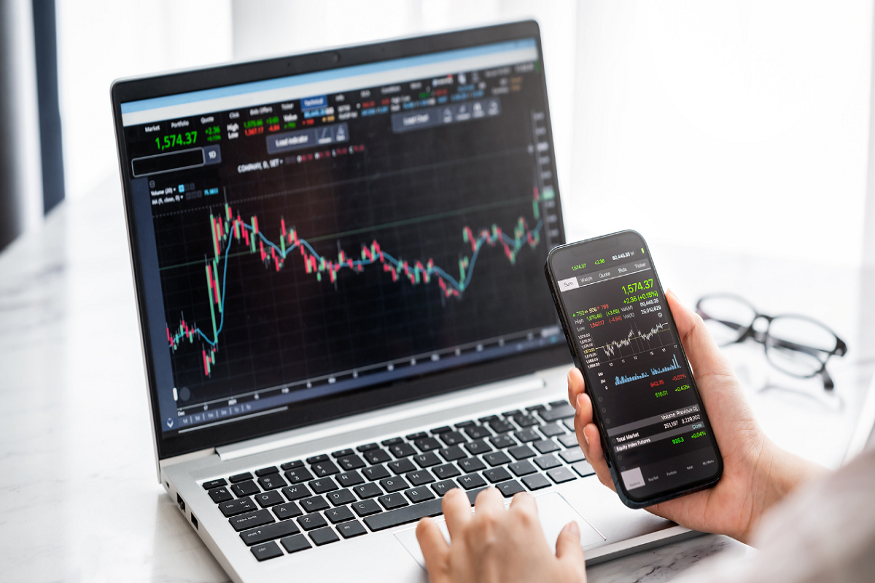
The global currency market is one of the largest and most active financial markets in the world. Every day, governments, multinational corporations, financial institutions, and individual traders participate in currency exchanges that influence economies and investment decisions across continents. For many investors, currency trading presents a unique combination of accessibility, liquidity, and potential opportunity.
The foreign exchange market is often misunderstood. While stories of substantial gains attract attention, successful trading requires far more than simply predicting whether one currency will rise or fall. Understanding both the opportunities and the risks is essential for anyone considering participation in this fast-moving market.
Why Currency Trading Attracts Investors
One of the biggest advantages of currency trading is market accessibility. Unlike some financial markets that operate during limited hours, the foreign exchange market functions around the clock during the trading week. This flexibility allows participants to trade according to their schedules while responding to economic developments as they happen.
Read More: Turning Collections Into a Seamless Part of the Customer Journey
Another attractive feature is liquidity. Major currency pairs are traded in enormous volumes every day, making it easier for traders to enter and exit positions without significant delays. High liquidity often contributes to tighter spreads and more efficient pricing, which can benefit traders seeking active market participation.
The market also provides opportunities in both rising and falling conditions. Traders can potentially profit when a currency strengthens or weakens relative to another. This flexibility creates opportunities across different economic environments and helps explain why many investors explore currency trading as part of a broader investment strategy.
The Opportunity Created by Global Economic Events
Currency values are heavily influenced by economic developments. Interest rate decisions, inflation reports, employment data, and central bank policies all play significant roles in determining exchange rates. Traders who understand these factors can identify opportunities based on changing economic conditions.
Financial professionals and economists closely monitor policy decisions from institutions such as the Federal Reserve, the European Central Bank, and the Bank of England. Changes in monetary policy often influence investor sentiment and can create significant market movements across major currency pairs.
For those learning the market, developing a solid understanding of economic indicators is often more valuable than chasing short-term price swings. Educational resources focused on forex trading for beginners can help traders understand how global events influence currency prices and how market participants interpret economic data when making trading decisions.
The Risks of Market Volatility
While volatility can create opportunities, it can also expose traders to substantial risk. Currency prices can move quickly in response to unexpected events, including political developments, economic announcements, geopolitical tensions, and changes in market sentiment. Even experienced traders can find it challenging to predict short-term market reactions.
Sudden market movements may trigger losses faster than anticipated. A position that appears manageable during stable conditions can become significantly riskier when volatility increases. This reality highlights the importance of risk management, position sizing, and disciplined trading strategies.
Many industry experts emphasise that preserving capital is often more important than maximising returns. Traders who focus exclusively on potential profits without considering downside risks may expose themselves to losses that are difficult to recover from over time.
The Impact of Leverage
Leverage is one of the most discussed aspects of currency trading. It allows traders to control larger positions with a relatively small amount of capital. While this can increase potential returns, it also magnifies losses. As a result, leverage is often considered both an opportunity and a risk.
For example, a small currency movement can produce a meaningful gain when leverage is involved. However, the same movement in the opposite direction can generate losses that exceed expectations. This dual nature makes leverage a powerful tool that requires careful management and a clear understanding of risk exposure.
Regulators and financial educators consistently stress the importance of responsible leverage use. Successful traders often focus on long-term consistency rather than attempting to maximise every potential trade. Conservative risk management frequently proves more sustainable than aggressive speculation.
Technology and Information Advantages
Modern trading platforms have transformed access to currency markets. Traders can now analyse charts, monitor economic calendars, execute trades, and manage positions from virtually anywhere. Advanced tools that were once available primarily to institutional participants are increasingly accessible to individual traders.
Read More: The Psychology of On-Time Payments in Automotive Finance
The availability of educational content has also improved significantly. Market analysis, webinars, research reports, and economic commentary provide valuable insights that can help traders make more informed decisions. Greater access to information has lowered barriers to entry and encouraged broader participation in the market.
Conclusion
Currency trading offers a compelling combination of opportunity, flexibility, and global market exposure. The ability to trade around the clock, respond to economic developments, and participate in one of the world’s most liquid markets continues to attract investors from diverse backgrounds. For those willing to invest time in learning, the market can provide valuable opportunities for growth and experience.
The risks should never be underestimated. Volatility, leverage, and rapidly changing market conditions require careful planning and disciplined risk management. Traders who approach the market with realistic expectations, a commitment to education, and a focus on long-term development are often better positioned to navigate both the challenges and opportunities that currency trading presents