

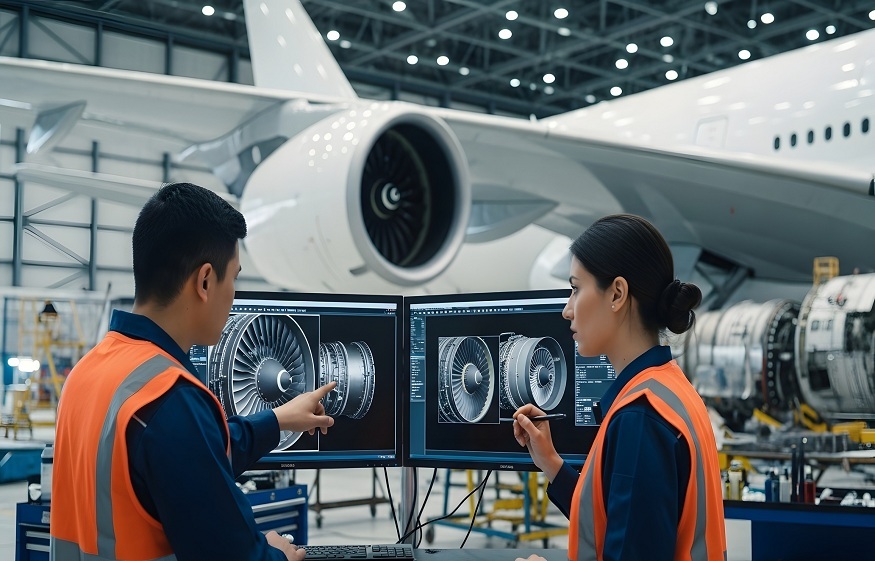
The aluminum age of aviation is ending. Not with fanfare or ceremony, but through quiet replacement, piece by piece, plane by plane. Walk through any aircraft factory today and you’ll smell epoxy resin, not machine oil. Workers lay sheets of black carbon fiber instead of riveting metal panels. This change crept up on the industry. Twenty years ago, composites were exotic. Now they’re standard. The question isn’t whether to use advanced materials anymore. It’s how much metal can we still eliminate?
The Drive Behind the Change
Money talks loudest in aviation. Jet fuel prices swing wildly, but they never swing low enough. A wide body aircraft gulps 3,000 gallons per hour. Shaving 200 pounds off that aircraft saves $80,000 yearly. Multiply that by hundreds of planes. The numbers get serious fast.
Airlines discovered something else about composites. They don’t rot. Salt air that eats aluminum barely touches carbon fiber. Cracks that would ground a metal aircraft don’t even form in composite structures. Passengers pushed change too, though indirectly. People want cheaper tickets, quieter cabins, bigger windows. Metal planes hit limits on all three. Composites broke through those limits. The windows on new aircraft? Twice the size of old ones. The cabin noise? Half as loud. Ticket prices stayed competitive despite rising costs everywhere else.
Read More: How Custom Coasters Can Elevate Your Brand in Cafés, Bars, and Events Across Australia
Performance Gains That Matter
Old pilots joke about flying “aluminum tubes.” New pilots won’t get the reference. Modern aircraft flex and breathe. Wings bend upward 20 feet in flight. That flexibility isn’t weakness. It’s intelligent design absorbing forces that would snap rigid structures. Heat changed the game entirely. Ceramic matrix composites laugh at temperatures that vaporize steel. Engine designers finally escaped the prison of metal’s melting point. Hotter combustion means better efficiency. Better efficiency means flying Los Angeles to Singapore without refueling.
Weight savings compound everywhere. Lighter seats need lighter floor attachments. Lighter floors need lighter support beams. Lighter beams allow thinner walls. Each improvement enables the next. A modern aircraft weighs 80,000 pounds less than its 1980s equivalent, while carrying more passengers farther.
Innovation Spreads Through the Industry
Small aircraft manufacturers jumped on composites first. Composite construction needs molds, ovens, and patience. No massive stamping presses. No armies of riveters. Helicopter blades transformed completely. Metal blades created most of the signature chopping sound. Composite blades slice air cleanly. Neighborhoods near hospitals appreciate the difference when medical helicopters land at 3 AM.
The innovation reaches deep into specialized sectors, with propeller manufacturers using advanced composites to craft blades that leave aluminum designs obsolete. Aerodine Composites leads this charge, developing solutions that give aircraft 15 percent better fuel economy while cutting cabin vibration in half. Military contractors love composites for different reasons. Radar struggles to see carbon fiber. Composite drones weigh so little they stay airborne for weeks. Special operations aircraft need every advantage available.
The Road Ahead
Metal aircraft production will end within two decades. Not because regulations demand it. Not because engineers prefer composites. Simple economics will kill aluminum aviation. Why build inferior products that cost more to operate? The laboratory keeps delivering surprises. Graphene lurks on the horizon, promising strength that sounds fictional. Bio based composites grown from modified bacteria could make petroleum based materials obsolete. Shape memory alloys that morph wing profiles automatically already exist in prototype form. Training shifts accordingly. Young engineers learn composite chemistry before metallurgy. Mechanics study resin curing instead of welding. Pilots adapt to aircraft that respond differently than anything in flight school.
Read More: The Role of Precision Fabrication in High-Performance Manufacturing
Conclusion
Aviation rarely retreats once it advances. The industry moved from wood to metal without looking back. This transition from metal to composites follows the same irreversible path. The future already arrived. Most passengers just haven’t noticed yet.