

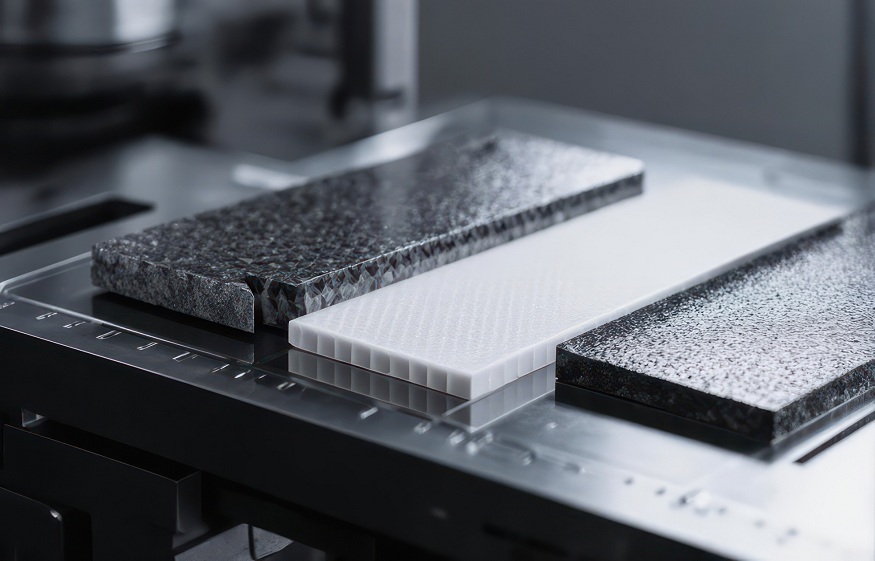
Materials shape the products we use daily. The car in your driveway, that smartphone you’re holding; pick the wrong material and the whole thing falls apart. American industries have stumbled onto something big lately. They’re switching to materials that weigh less but somehow last longer than the heavy stuff we used to rely on. This switch is shaking up how businesses work and what they can pull off.
Transportation Takes Flight
Transportation companies jumped on this trend first. Airlines save millions yearly by reducing plane weight. Fuel savings increase with each pound shed on multiple flights. Aerospace composites from a company like Aerodine Composites now form the skeleton of most new planes. Traditional aluminum? It’s taking a back seat. These new materials laugh at extreme heat and pressure. They do all this while weighing way less than what came before.
Car makers caught on quickly. Carbon fiber shows up everywhere now; frames, panels, you name it. The same goes for fancy plastics and aluminum mixes. Here’s the thing about lighter cars: they sip gas instead of gulping it. Electric vehicles squeeze out extra miles per charge. Race car drivers tested this stuff first. Now your neighbor’s sedan uses the same tricks.
Building a Stronger Tomorrow
Construction crews learned something surprising. Light materials often beat heavy ones at their own game. Think about fiber-reinforced plastics. Unlike metal, they’re not affected by rain, snow, or salt spray. Avoiding rust results in fewer issues in the future.
Read More: The Role of Precision Fabrication in High-Performance Manufacturing
Work sites run smoother too. Two guys can carry a panel that used to need a crane. Projects wrap up faster. Paychecks for workers add up to less. Yet these buildings stand strong for ages. Bridges built with composite materials? They skip the constant patch jobs that plague older bridges. Decades pass and they still look good as new.
Sports and Recreation Get an Edge
Tennis players noticed their swings got faster when racket makers switched to graphite composites. More power, less sweat. Cyclists saw the biggest change as carbon fiber bikes weigh half what steel ones do but bend less under pressure. Every piece of sports gear tells the same story. New materials enhanced skis, golf clubs, and helmets.
This is great for hikers and campers. No one wants to carry heavy gear uphill. Today’s gear balances toughness and portability. Picture a two-pound tent riding out a storm that would flatten a house. That’s what modern materials deliver. Backpacks, sleeping bags and climbing ropes all got lighter, yet remained sturdy.
Medical Breakthroughs Through Materials
People who need prosthetic limbs finally got a break. Carbon fiber and titanium changed the game completely. These artificial limbs move naturally. Body fluids can’t damage them. Patients walk, run, even dance without feeling like they’re dragging weights around.
Read More: How Hard Money and Bridge Loans Can Turbocharge a Property Portfolio
Surgeons love what’s happening too. Operating for eight hours straight? Better to hold instruments that don’t strain your hands. Hip replacements and dental implants made from space-age ceramics and special metal blends stay put for decades. Hospitals run better when orderlies can actually move equipment without throwing out their backs. Even the gurneys and IV stands got upgrades.
Conclusion
This shift to lightweight, tough materials isn’t some passing fad. Companies see actual results right away. Shipping costs plummet when products weigh less. Customers are happy because their purchases last. Workers avoid injuries from lifting heavy stuff all day. Fuel bills shrink. Landfills fill up more slowly because products don’t need replacing as often. Material science keeps pushing forward. More industries will catch on soon. Smart money says businesses that grab these materials now will leave their competitors behind. Sometimes, throwing away the heavy old ways opens doors to something much better.