

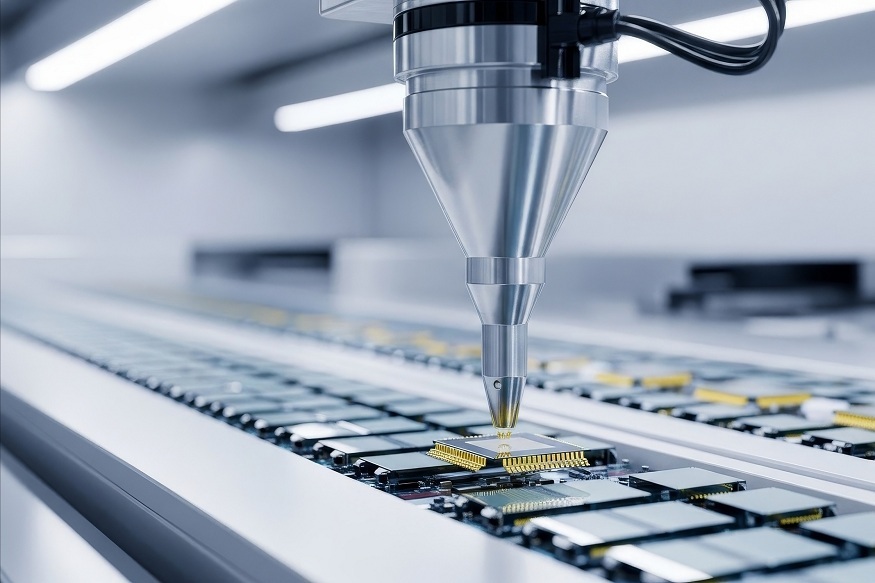
Manufacturing hit a turning point. The old “good enough” approach died when buyers stopped accepting mediocre products and global competition raised the stakes. Today, you nail the specs, or you lose the contract. A tiny error can result in catastrophic failure. Failure costs money, trust, and lives.
Why Precision Matters More Than Ever
Products do more with less space now. Your phone crams technology into a slice of glass and metal. Jet engines scream at speeds that would shred anything built carelessly. Heart valves and joint replacements operate where one tiny flaw means disaster.
Read More:How Custom Coasters Can Elevate Your Brand in Cafés, Bars, and Events Across Australia
Acceptable error margins shrank to almost nothing. An engine assembled with loose tolerances? It consumes a lot of fuel, rattles, and breaks down easily. A poorly balanced turbine blade will break apart, damaging costly equipment. Even cheap furniture collapses when the joints don’t mate properly. Precision buys you parts that actually work. Components that slide together without hammering or grinding. Long-lasting, quiet assemblies. The best kind of manufacturing is drama-free, predictable, and profitable.
Technologies Driving Modern Precision
Computers took over the cutting. CNC machines follow instructions like gospel, moving tools along paths measured in ten-thousandths. Because lasers vaporize material without touching it, there is no tool wear, and consequently, no slow deviation in measurements. Steel can be cut as easily as butter using water combined with abrasive grit, creating cleaner edges than a saw blade can achieve.
Measuring got scarily accurate, too. Scanners map surfaces faster than you can blink. Touch probes crawl across parts, recording every bump and valley. The fancy setups measure while still cutting, catching screw-ups before a pile of bad parts grows. Robots are doing grunt work now. Same motion, same force, same result, shift after shift. Workers switched from turning handles to writing code and fixing problems. It turns out humans excel at thinking while machines excel at repeating.
Materials and Methods Working Together
You can’t achieve precision with poor materials. If heat makes something expand unpredictably, forget it. If cutting causes random cracks or tears, move on. The stuff needs to stay stable from the factory floor through decades of hard use. New materials rose to meet the challenge. Take industrial composites; companies like Aerodine Composites show what happens when precise fabrication meets advanced materials, producing components that hold incredibly tight tolerances while staying remarkably light and strong for critical applications. These materials don’t warp. They don’t creep. They cut clean and stay put.
Control freaks run the best shops. They monitor temperature because metal grows when warm. They track humidity because some materials swell with moisture. They filter the air because one speck of dust ruins semiconductor wafers. Nothing is left to chance.
The Competitive Advantage
Precision shops land the contracts that matter. Aircraft makers hand them flight-critical work. Medical companies trust them with implants. Tech giants need them for circuit boards where traces run thinner than spider silk. Quality drives speed, oddly enough. Parts that fit don’t need forcing. Less scrap means less starting over. Schedules stay predictable because machines run instead of sitting idle for rework. Orders ship when promised.
Read More:How Hard Money and Bridge Loans Can Turbocharge a Property Portfolio
Conclusion
Precision fabrication sorts the players from the pretenders. Anyone can make parts. Few can make parts that perform flawlessly year after year. The gap widens daily as specifications tighten and customers grow pickier. Smart manufacturers see where this leads. They buy better equipment and they train operators obsessively. They refine processes until variation practically disappears. The alternative? Watching contracts go to shops that took precision seriously while others made excuses. The verdict came in years ago. Manufacturing without precision is like racing with flat tires. You might move forward, but you won’t win anything worth winning.