

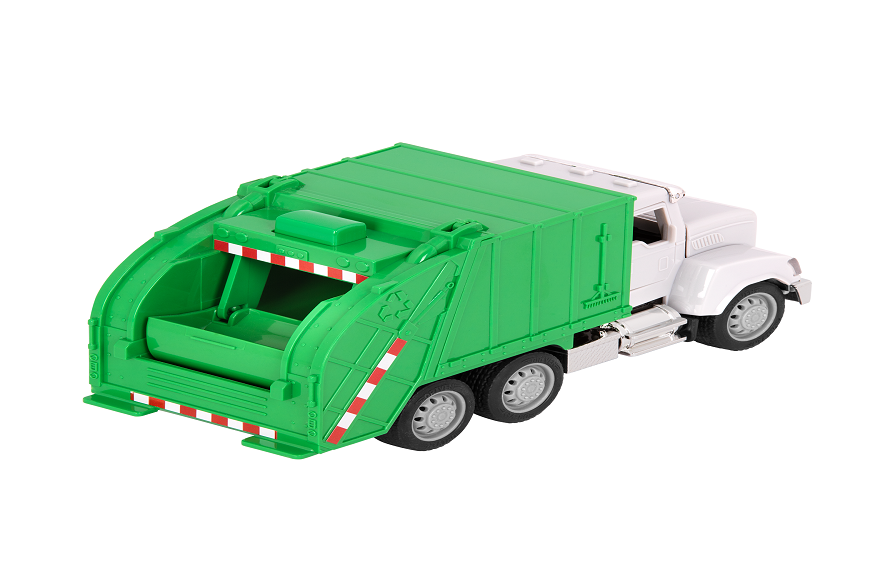
Durability and lifespan are critical considerations when investing in a rear loader garbage truck. Waste management operations demand vehicles that can withstand heavy loads, continuous use, and harsh working conditions. Rear loader trucks are designed to meet these challenges, offering long-term reliability for municipalities, private contractors, and industrial facilities.
Strong Chassis and Body Construction
The durability of a rear loader garbage truck starts with its chassis and body construction. Most trucks use reinforced steel frames and high-strength body panels to handle repeated loading and compaction cycles. The robust design prevents deformation under heavy loads, reduces wear on critical components, and ensures the truck remains operational for many years, even under demanding routes.
Hydraulic System Longevity
The hydraulic system is a key component affecting lifespan. High-quality hydraulic pumps, cylinders, and control valves ensure smooth compaction cycles and reduce strain on moving parts. Regular maintenance, such as checking fluid levels and replacing worn hoses, further extends the service life of these systems. Modern hydraulic technology also improves efficiency, allowing trucks to perform reliably over decades of use.
Read More: Commercial Asphalt Paving Utah: Key Benefits for Businesses
Engine and Powertrain Reliability
Rear loader garbage trucks rely on powerful engines and durable drivetrains to manage stop-and-go urban routes while operating the compaction system. Diesel engines are most common, offering high torque and long service life. Many trucks now also offer CNG, hybrid, or electric options, which can reduce engine wear and extend overall vehicle longevity. A well-maintained powertrain is essential to ensure consistent performance over the truck’s lifespan.
Resistance to Corrosion and Wear
Exposure to waste, moisture, and chemicals can accelerate wear on truck components. Durable rear loader trucks use corrosion-resistant materials, protective coatings, and reinforced components to combat these effects. Anti-corrosion measures on the body, hopper, and tailgate reduce rust formation, preserving structural integrity and extending the truck’s operational life.
Maintenance Practices That Extend Lifespan
Proper maintenance is critical for maximizing durability. Regular inspections, timely servicing of hydraulic and engine systems, and replacement of worn tires or suspension components prevent minor issues from becoming major problems. Trucks with accessible service points and clear maintenance schedules reduce downtime and help operators keep the vehicles running efficiently for many years.
Durability in Daily Operations
Rear loader trucks are designed for continuous daily use, often performing multiple collection routes per day. Their structural strength, reliable compaction systems, and rugged drivetrains allow them to endure high-frequency loading, frequent stops, and heavy payloads without significant deterioration. This makes them ideal for municipalities and private operators with demanding daily collection schedules.
Read More: Rear Loader Garbage Truck Durability and Lifespan
Cost-Effectiveness Over the Truck’s Lifespan
Investing in a durable rear loader garbage truck provides long-term cost benefits. Fewer breakdowns, reduced repair costs, and extended service life contribute to lower total cost of ownership. Well-built trucks maintain their performance and resale value over time, making them a financially sound choice for waste management fleets.
Environmental and Operational Advantages
Durable trucks also contribute to operational efficiency and sustainability. Trucks that last longer reduce the need for frequent replacements, lowering manufacturing and disposal impacts. Reliable performance ensures consistent waste collection, which benefits urban sanitation and public health.
Summary
The durability and lifespan of a rear loader garbage truck are determined by its chassis strength, hydraulic reliability, engine performance, corrosion resistance, and maintenance practices. When properly designed and maintained, these trucks can provide decades of dependable service, making them an essential asset for efficient, cost-effective, and sustainable waste management operations.